
Maintaining optimal water quality in your swimming pool is essential to prevent health problems . It seems obvious, but we often assume that water that appears clean is safe for swimming, which may not be the case. Let’s explain how to properly disinfect your pool water :
When we swim, we leave behind organic matter (sweat, mucus, genitourinary tract, etc.) and inorganic matter (creams, sunscreens, air pollution, etc.). This makes pool water an ideal breeding ground for all kinds of algae and fungi . Although the water is clear and transparent, it contains all these microorganisms, making disinfection necessary.
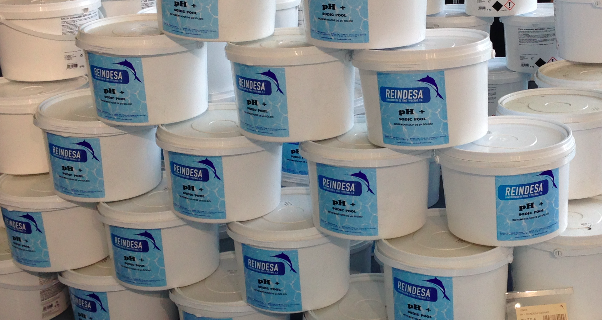
A wide variety of disinfection systems are available on the market, both manual (Reindesa offers a broad range of water disinfection products ) and automatic (equipment that assists with dosing and disinfection). However, they all essentially work in the same way, or serve the same purpose. A portion of the disinfectant used is consumed in destroying contaminants . The remainder stays as a residual, ready to act against any new contaminants introduced by wind, bathers, etc. This residual disinfectant is called free residual. To ensure proper disinfection of pool water, a free residual disinfectant level between 1 and 2 ppm (parts per million) must be maintained . The consumption of pool disinfectants varies with temperature, sunlight exposure, the number of bathers, and pollution. For this reason, it is essential to analyze the disinfectant level daily using a system that provides these values.
With this information, you now understand the importance of disinfecting your pool water. Don’t miss our upcoming posts where we’ll discuss various disinfection treatments and much more. If you need further assistance and would like to learn more, please contact us and we’ll provide personalized guidance.